
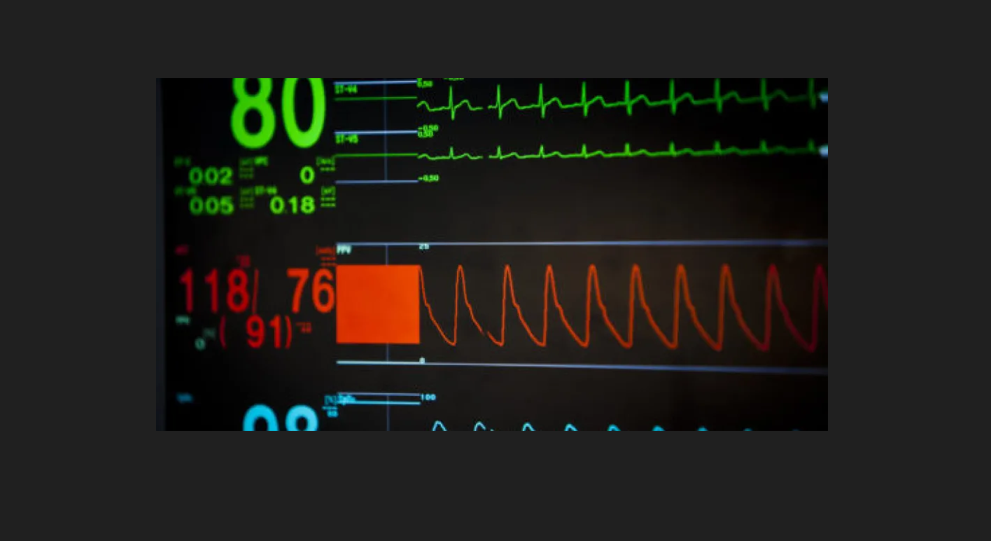
(And Why Misreading Them Can Undermine Liability, Causation, and Damages)
The Attorney Pain Point
One of the most common defenses in medical negligence cases sounds deceptively simple:
“The patient’s vital signs were normal.”
For attorneys evaluating liability, causation, or damages, this phrase often becomes a shortcut—suggesting stability, appropriate monitoring, or absence of urgency. It appears in expert reports, deposition testimony, and defense summaries with surprising frequency.
But clinically, “normal vitals” do not always equal a stable patient.
When that assumption goes unchallenged, it can distort case valuation, weaken causation analysis, and allow critical deviations in care to go unnoticed—until late in litigation, when correction becomes expensive or impossible.
Legal Context: Where This Assumption Shows Up in Litigation
This issue surfaces across multiple stages of a case:
- Early case screening: A claim is dismissed because “nothing in the vitals suggests deterioration.”
- Discovery: Key nursing assessments are overlooked because vitals appear unremarkable.
- Expert reliance: Opinions lean heavily on numeric data without clinical context.
- Settlement negotiations: Defense positions minimize risk by pointing to “stable vitals.”
- Trial: Jurors are shown charts suggesting safety, without understanding what’s missing.
In both plaintiff and defense cases, vital signs are often treated as objective proof of stability—when, in reality, they are one data point within a much larger clinical picture.
The Medical Reality (Without the Medical Lecture)
Vital signs measure numbers: heart rate, blood pressure, respiratory rate, oxygen saturation, temperature.
They do not measure:
- Perfusion adequacy
- Compensatory physiology
- Subtle neurologic decline
- Evolving sepsis
- Internal bleeding
- Respiratory fatigue
- Pain masking
- Medication effects
Many patients—especially younger, healthier, or previously stable individuals—can compensate for significant physiologic stress while maintaining vitals within “normal” ranges.
This compensation is temporary.
From a nursing perspective, stable vitals often coexist with:
- Increasing work of breathing
- Altered mental status
- Escalating pain or anxiety
- Decreasing urine output
- Skin changes
- Behavioral changes
- Failure to respond to treatment
These findings are frequently documented outside the vital sign flowsheet—or not documented clearly at all.
Where Attorneys Get Misled by “Normal Vitals”
1. Vital Signs Without Trend Analysis
Single readings matter far less than patterns over time. A blood pressure of 118/72 means something very different if:
- It dropped from 150 systolic over several hours, or
- It required increasing fluids or medications to maintain.
Without trend analysis, stability is assumed where decline may be occurring.
2. Compensation Masking Instability
Patients often maintain “normal” vitals until they can’t. Once compensation fails, deterioration is rapid and dramatic.
In litigation, this leads to questions like:
- “Why did the patient suddenly crash?”
- “There was no warning.”
Clinically, there was often warning—but it appeared in nursing assessments, not vital sign columns.
3. Incomplete or Auto-Populated Documentation
Electronic health records frequently auto-populate “within normal limits” language.
Attorneys reviewing records may see:
- Normal vitals
- Checkbox assessments
- Repeated templated entries
What’s missing:
- Narrative context
- Escalation decisions
- Clinical reasoning
The appearance of stability can be documentation-driven, not care-driven.
4. Failure to Correlate Vitals With Symptoms
Normal oxygen saturation does not negate respiratory distress.
Normal blood pressure does not negate hemorrhage.
Normal heart rate does not negate evolving sepsis.
Vitals must be interpreted in relation to symptoms, diagnoses, and response to treatment—a step often skipped in purely record-based reviews.
Strategic Litigation Takeaways
For Plaintiff Counsel
- Normal vitals do not eliminate liability.
- They must be evaluated alongside:
- Nursing assessments
- Physician response times
- Escalation protocols
- Monitoring frequency
Failure to recognize compensating patients can support arguments related to delayed intervention and missed opportunities to prevent harm.
For Defense Counsel
- Overreliance on vital signs can backfire if opposing experts contextualize them correctly.
- A strong defense requires:
- Understanding why vitals appeared normal
- Demonstrating appropriate monitoring and response
- Showing consistency between assessments, vitals, and interventions
Clinical nuance strengthens credibility; oversimplification weakens it.
Why This Matters for Causation and Damages
Misinterpreting vital signs doesn’t just affect liability—it affects causation narratives and future damages projections.
If instability is missed:
- The timeline of injury progression shifts
- Earlier intervention opportunities are ignored
- The severity and permanence of injury may be misattributed
As both a Certified Legal Nurse Consultant and Certified Life Care Planner, I frequently see cases where early medical misinterpretation snowballs into:
- Disputed causation
- Inflated or minimized future care needs
- Conflicting expert opinions
Many of these disputes could have been avoided with early, clinically grounded record analysis.
The Bigger Picture: Why Nursing Insight Matters Here
Nurses are trained to recognize instability before numbers change.
That perspective is often missing when records are reviewed solely for:
- Diagnostic codes
- Procedure timing
- Physician notes
A nursing-based review asks different questions:
- What was changing before the vitals changed?
- What assessments were delayed or omitted?
- What escalation should have occurred?
These questions directly affect litigation strategy.
Strategic Bottom Line for Attorneys
If a case hinges on the assumption that “normal vitals = stable patient,” it deserves closer scrutiny.
Vital signs are data—not conclusions.
Early review by a Legal Nurse Consultant can clarify whether apparent stability reflects:
- Appropriate care, or
- A missed window for intervention
That clarity helps attorneys:
- Screen cases more accurately
- Control expert costs
- Strengthen causation arguments
- Avoid late-stage surprises
Early medical record review can identify whether “normal vitals” truly reflect stability—or whether critical clinical warning signs were missed. Addressing this issue early often prevents costly disputes later in litigation.
Request a case evaluation or schedule a strategy consultation with Smith Legal Nurse Consultants to discuss how clinical context—not just charted numbers—may impact your case.