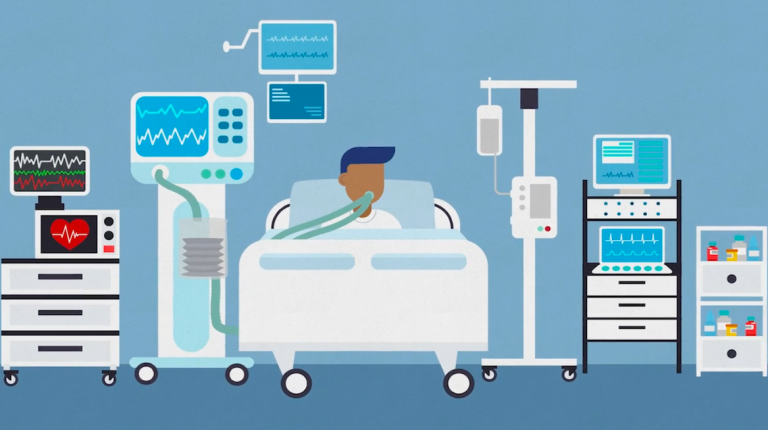

The Intensive Care Unit (ICU) is where the sickest patients receive life-saving treatment. Every detail matters — medications, ventilator settings, lab monitoring, nursing assessments, and physician orders. When standards are not followed in this environment, the consequences can be devastating.
A Case Example
Consider a case where a patient admitted to the ICU for severe sepsis developed complications that led to a poor outcome. On the surface, the medical records looked overwhelming yet routine — daily progress notes, multiple specialists, nursing assessments, and pages of lab results.
But a Certified Legal Nurse Consultant (CLNC) review revealed red flags:
- Delayed recognition of deteriorating vital signs despite repeated abnormal trends.
- Incomplete documentation of fluid balance and urine output, critical in a septic patient.
- Medication errors involving vasopressor titration not clearly aligned with physician orders.
- Missed escalation of care, where the bedside nurse failed to notify the physician despite policy requiring immediate contact.
How a CLNC Helps
For an attorney, piecing together hundreds of pages of ICU documentation can feel impossible. A CLNC bridges that gap by:
- Creating a clear, chronological timeline of the patient’s ICU stay.
- Identifying where care deviated from the standard — and when intervention should have occurred.
- Analyzing whether hospital policies were in place and followed.
- Translating the highly technical language of ICU care into plain English for the legal team.
Why It Matters
Medical malpractice cases in the ICU often hinge on small details with huge consequences. By uncovering discrepancies and missed opportunities for intervention, a CLNC provides attorneys with the insight needed to evaluate merit, prepare strategy, and advocate effectively.
In critical care, precision is everything. When care falls short, a CLNC ensures the full story is told — clearly, accurately, and backed by clinical expertise.