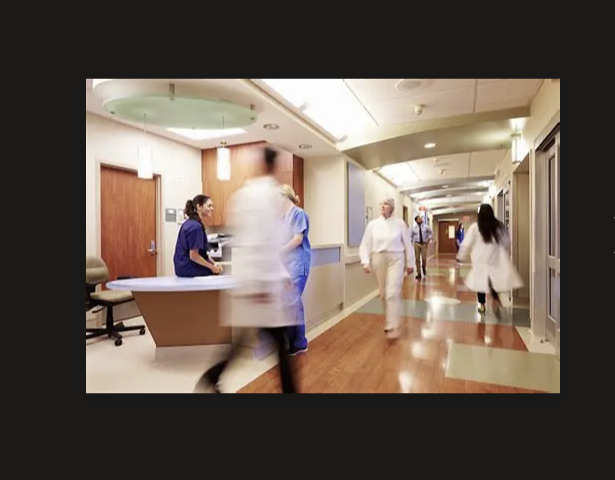
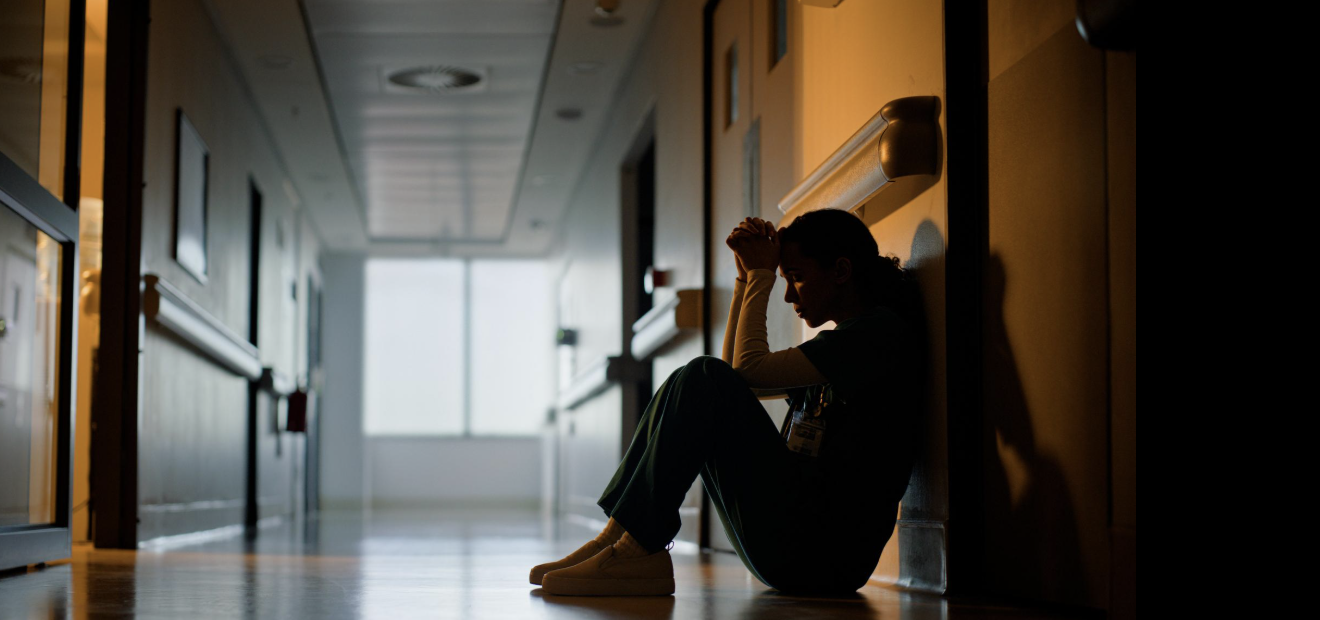
Healthcare litigation often focuses on the actions of an individual nurse, physician, or facility. But in many cases, the real issue begins long before the adverse event itself.
Behind missed assessments, delayed interventions, medication errors, and preventable patient harm, there is often a larger systemic problem quietly shaping the outcome: chronic understaffing.
As staffing shortages continue across hospitals, nursing homes, rehabilitation facilities, and home health agencies, attorneys are increasingly encountering cases where unsafe staffing conditions may have directly contributed to patient injury.
The challenge is that understaffing rarely appears clearly documented in the medical record. Instead, it must be recognized through patterns, omissions, workflow breakdowns, and operational inconsistencies that experienced clinical reviewers know how to identify.
Understaffing Rarely Announces Itself in the Record
Facilities rarely document:
- “We did not have enough nurses.”
- “The unit was overwhelmed.”
- “Staffing ratios were unsafe.”
Instead, the evidence often appears indirectly through what did — or did not — happen.
Common documentation patterns associated with staffing-related failures include:
- Delayed reassessments
- Missing nursing notes during critical periods
- Repeated “unable to complete” documentation
- Medication administration delays
- Failure to notify physicians of significant changes
- Incomplete wound documentation
- Delayed response to deteriorating conditions
- Multiple charting entries completed hours later
- Identical or templated assessments repeated throughout shifts
When viewed individually, these issues may appear minor. When viewed collectively, they can reveal a much larger operational problem.
Staffing Problems Create Cascading Clinical Failures
In healthcare, patient deterioration is often recognized through small clinical changes occurring over time.
Subtle shifts in:
- vital signs,
- mental status,
- oxygenation,
- mobility,
- intake and output,
- skin integrity, or
- pain complaints
can signal the beginning of a serious medical event.
When nurses are overloaded with patients, these warning signs are more likely to be missed, delayed, or inadequately escalated.
The result is often not a single catastrophic mistake, but a chain reaction of smaller breakdowns:
- delayed monitoring,
- delayed intervention,
- delayed provider notification,
- delayed treatment.
By the time the patient experiences a major adverse event, the clinical decline may have been developing for hours — or even days.
High-Risk Areas Where Staffing Issues Commonly Appear
While staffing shortages can affect any healthcare setting, certain environments carry particularly high litigation risk.
Hospitals
In acute care settings, understaffing may contribute to:
- failure to rescue,
- missed sepsis indicators,
- delayed response to abnormal labs,
- patient falls,
- pressure injuries,
- medication errors,
- inadequate monitoring after procedures or surgery.
High-acuity units often depend heavily on timely reassessment and escalation. When staffing levels are insufficient, even experienced clinicians may struggle to keep pace with rapidly changing patient conditions.
Nursing Homes & Long-Term Care Facilities
Long-term care litigation frequently involves allegations tied to:
- preventable pressure ulcers,
- dehydration,
- malnutrition,
- falls,
- elopement,
- delayed transfers to higher levels of care,
- inadequate supervision.
In many cases, documentation may suggest care was performed — but timelines, staffing patterns, and resident outcomes may tell a different story.
Home Health
Home health presents unique staffing-related concerns because clinicians work independently and patient visits are often tightly scheduled.
Operational pressures may lead to:
- shortened visits,
- delayed start of care,
- missed follow-up,
- incomplete patient education,
- inadequate medication reconciliation,
- delayed physician communication.
Because home health patients are frequently medically fragile and transitioning from hospitalization, delays in intervention can have significant consequences.
The Difference Between Individual Negligence and Systemic Failure
One of the most important questions in healthcare litigation is whether an adverse outcome resulted from:
- an isolated clinical error, or
- a broader systems-level failure.
- This distinction matters.
An experienced clinical reviewer may identify evidence suggesting:
- unsafe staffing ratios,
- unrealistic productivity expectations,
- excessive patient assignments,
- inadequate orientation or training,
- heavy reliance on temporary staff,
- communication breakdowns caused by workload saturation.
These operational issues can significantly affect whether standards of care were realistically achievable under the circumstances.
Why Attorneys Should Look Beyond the Individual Provider
Healthcare organizations often frame litigation around the actions of a single clinician. However, focusing too narrowly on one provider can overlook larger operational failures that may have contributed to the outcome.
Medical records, staffing logs, assignment sheets, policy compliance, and timeline analysis may reveal whether the environment itself created unsafe conditions for both patients and staff.
Understanding those systemic factors can strengthen case analysis by helping attorneys:
- identify patterns of preventable breakdowns,
- better evaluate liability exposure,
- understand causation timelines,
- assess the credibility of documentation,
- recognize operational contributors to patient harm.
Final Thoughts
In many healthcare cases, the most important issue is not simply what one nurse or provider did wrong.
The more important question may be:
Was the system itself functioning safely?
As staffing shortages continue across healthcare settings nationwide, attorneys are increasingly encountering cases where operational pressures, excessive workloads, and resource limitations may have directly contributed to adverse patient outcomes.
Recognizing those patterns requires more than simply reading the chart.
It requires understanding how healthcare systems actually function under real-world clinical conditions.
Jill Smith, BSN, RN, CLNC, LCP-C, is the founder of Smith Legal Nurse Consultants, LLC. With experience spanning ICU, OR, long-term care, and over 20 years in home health, she provides medical record review, case analysis, medical chronologies, and future medical cost analysis for attorneys nationwide.