Wrongful death litigation is among the most complex and emotionally charged types of cases attorneys handle. Families are grieving, medical records are extensive, and the stakes are incredibly high. To succeed, attorneys must show not only what happened but how medical care — or lack thereof — contributed to a preventable death. This is where a Certified Legal Nurse Consultant (CLNC) becomes indispensable.
Clarifying the Cause of Death
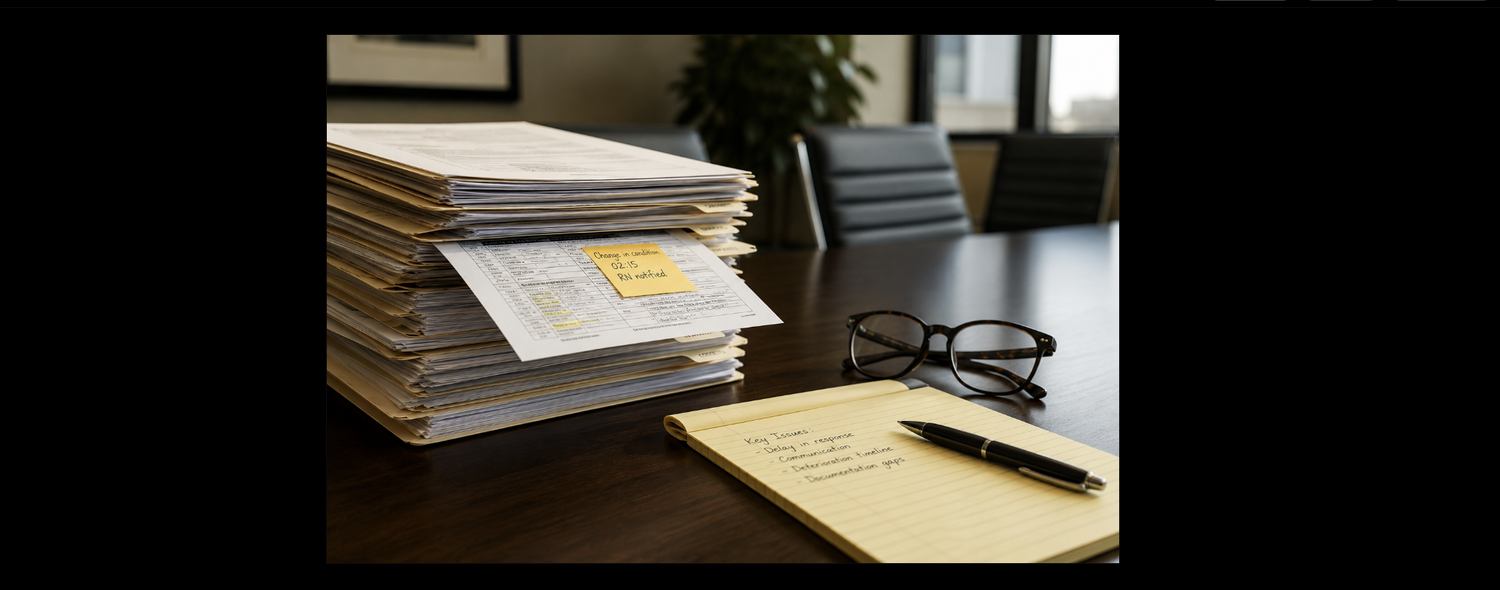
Hospital records, physician notes, and autopsy reports often contain hundreds of pages of data. CLNCs sift through this information to piece together a clear, clinically accurate narrative. They can explain whether the cause of death aligns with the medical records and highlight discrepancies that may affect case strategy.
Example: A death certificate might list “sepsis” as the cause of death, but a careful record review may reveal a delay in antibiotics that set the cascade of decline in motion.
Evaluating Standards of Care
Wrongful death cases hinge on proving whether providers met or failed to meet the accepted standard of care. CLNCs are trained to identify when medical decisions deviated from protocols, guidelines, or accepted practices — and whether those deviations directly contributed to the patient’s death.
Translating Complex Records into Clear Chronologies
Attorneys, juries, and judges need clarity. CLNCs distill thousands of records into a concise chronology that outlines:
- The patient’s medical condition on arrival
- Key interventions (or lack thereof)
- Changes in condition over time
- Points of decline that contributed to the outcome
These timelines not only strengthen the case but also provide a roadmap for expert witnesses and litigation teams.
Highlighting Delays in Care
In many wrongful death cases, timing is everything. CLNCs recognize the significance of delays that might not stand out to others:
- Hours between symptom onset and diagnostic testing
- Missed opportunities for escalation to higher levels of care
- Delays in life-saving interventions like surgery or medication administration
Such insights can shift the narrative of a case and highlight negligence that may otherwise go unnoticed.
Supporting Expert Witnesses and Attorneys
CLNCs don’t replace medical experts, but they make their work more effective. By ensuring records are complete, identifying key issues, and framing questions, CLNCs help attorneys prepare expert witnesses to deliver testimony that is clear, consistent, and grounded in the evidence.
Conclusion
In wrongful death litigation, the truth often lies buried in the medical record. A Certified Legal Nurse Consultant brings the expertise needed to uncover that truth, connect the dots, and tell the patient’s story with clarity and compassion. With a CLNC on the team, attorneys can approach these difficult cases with confidence, precision, and a stronger path to justice for families.
Call to Action
At Smith Legal Nurse Consultants, we provide the clinical insight attorneys need to navigate wrongful death cases. From record review to chronology development, we help ensure no detail is overlooked.
Contact us today to learn how we can support your wrongful death litigation team.