Nursing home abuse and neglect cases are among the most heartbreaking in personal injury law. Families place their trust in facilities to provide safe, compassionate care—yet too often, residents suffer preventable injuries, neglect, or even abuse. For attorneys handling these cases, the medical records are central to proving liability and damages.
But here’s the challenge: nursing home charts often look routine and complete on the surface, while the real story is hidden between the lines. That’s where the expertise of a nurse becomes critical.
What the Records Say vs. What Really Happened
Attorneys may see:
- Notes that state “skin intact” or “no distress”
- Vital signs within normal limits
- Standard ADL (activities of daily living) documentation
What a nurse sees:
- A “skin intact” box checked alongside wound care orders
- Vitals trending downward with no follow-up assessment
- Conflicting entries between nursing notes, therapy logs, and CNA charting
- Late or missing entries that signal gaps in care
Why Attorneys Miss These Details
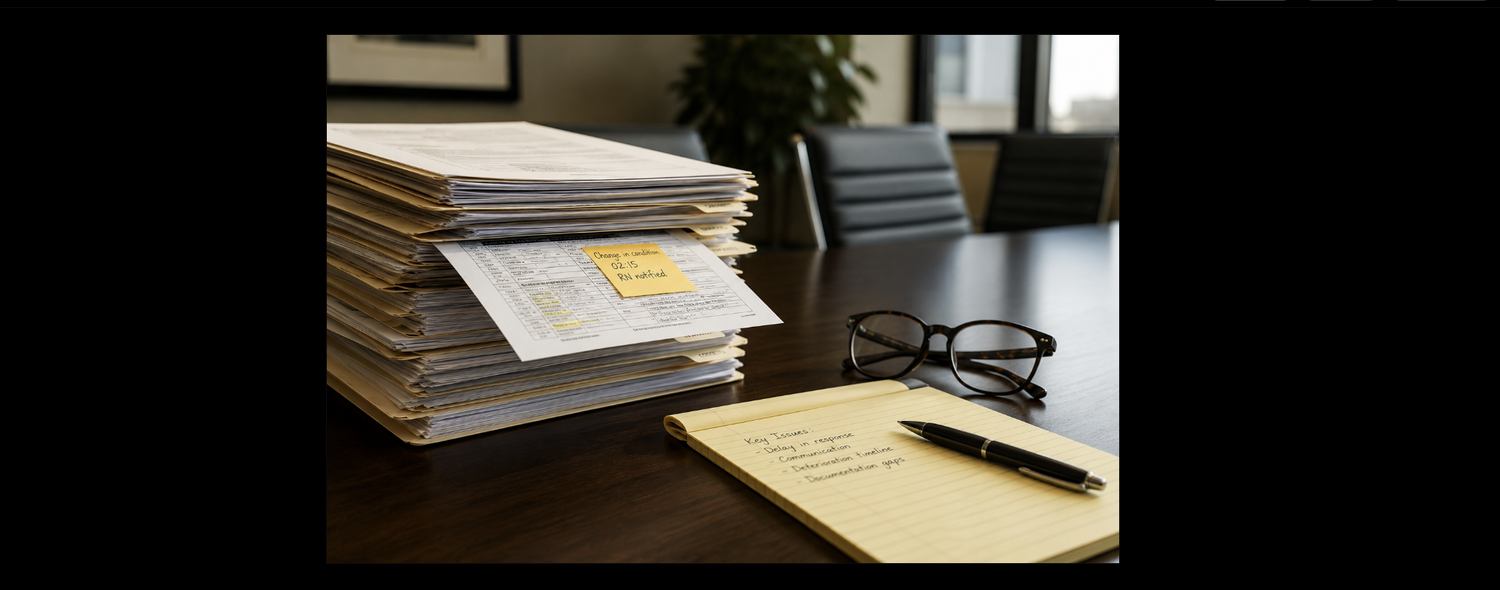
Medical records in nursing home cases can span hundreds or thousands of pages. Staff often use copy-paste charting or incomplete notes that obscure what really happened. Without clinical training, it’s difficult to:
- Spot inconsistencies across providers
- Recognize when charting doesn’t align with a resident’s true condition
- Identify deviations from the standards of care in long-term care settings
- Distinguish between unavoidable decline versus neglect or abuse
How a Nurse Consultant Strengthens the Case
A Legal Nurse Consultant (LNC) provides the critical clinical lens attorneys need by:
- Creating clear medical chronologies that highlight decline over time
- Identifying missed assessments, interventions, or documentation lapses
- Clarifying causation—linking injuries like pressure ulcers, fractures, or infections directly to neglect or inadequate care
- Flagging policy and regulatory violations that support liability
- Helping attorneys prepare for depositions with targeted questions based on the record
A Case Example
In one case, records showed “skin intact” for weeks—yet the client presented with a Stage 3 pressure injury at hospital transfer. By aligning wound care consult notes, CNA charting, and physician progress notes, it became clear that staff either failed to assess or failed to document appropriately. This pattern was critical in proving neglect.
Without a nurse’s eye, the discrepancy might have been overlooked. With it, the attorney had a strong foundation for liability.
Final Thoughts
In nursing home abuse and neglect litigation, the medical record is both the defense and the plaintiff’s evidence. Attorneys need more than raw documentation—they need interpretation, context, and insight into what’s missing.
A Legal Nurse Consultant bridges that gap, ensuring no red flag goes unnoticed and every preventable injury is brought to light.