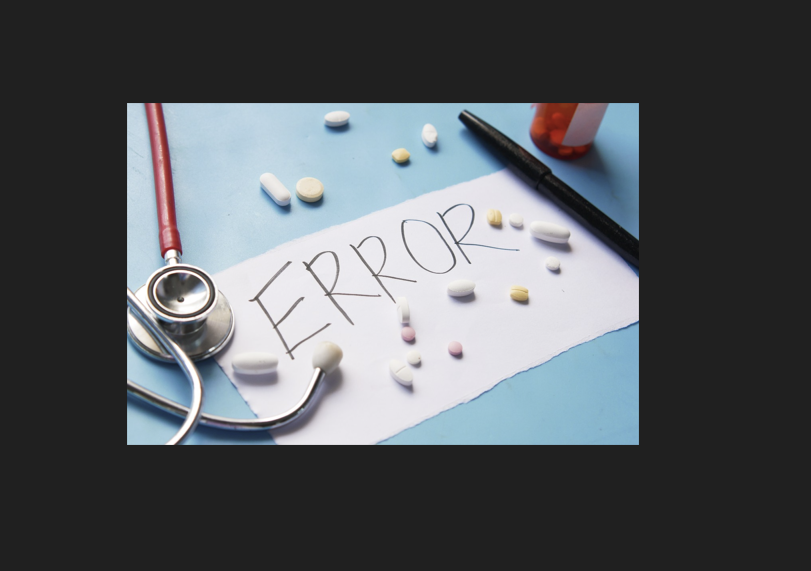
Every year, medication errors cause thousands of preventable injuries and deaths in the United States. For patients, the consequences can be devastating—ranging from extended hospital stays to permanent disability or loss of life. For attorneys handling personal injury or medical malpractice cases, medication errors present both challenges and opportunities. The medical records may look routine on the surface, but the details often tell a very different story.
That’s where a Legal Nurse Consultant (LNC) becomes essential.
What Is a Medication Error?
The National Coordinating Council for Medication Error Reporting and Prevention (NCC MERP) defines a medication error as:
“Any preventable event that may cause or lead to inappropriate medication use or patient harm while the medication is in the control of the healthcare professional, patient, or consumer.”
Medication errors can occur at any step of the process, including:
- Prescribing (wrong drug, dose, or patient)
- Transcribing (incorrectly entered into records)
- Dispensing (pharmacy error)
- Administering (wrong medication, wrong route, wrong time, wrong patient)
- Monitoring (failure to recognize adverse effects or interactions)
Why They Matter in Litigation
Medication errors can be subtle and easily overlooked. A “near miss” might go unreported, while a significant error could be buried in pages of progress notes. Yet, these mistakes often hold the key to proving negligence, causation, or damages.
For attorneys, the questions become:
- Was the medication error preventable?
- Did it directly cause harm or worsen the patient’s condition?
- Was the standard of care followed?
- Were policies, double-checks, or safety protocols ignored?
How a Legal Nurse Consultant Helps
A Legal Nurse Consultant provides the clinical insight needed to connect the dots in medication-related cases. Some key contributions include:
- Timeline Analysis: Creating a clear chronology of when medications were ordered, dispensed, and dministered.
- Standards of Care Review: Comparing actions against established nursing and pharmacy protocols.
- Causation Clarity: Distinguishing whether harm was caused by the error or by the underlying condition.
- Identifying System Failures: Highlighting gaps in communication, documentation, or safety practices (such as barcode scanning or two-nurse verification).
- Expert Support: Preparing physicians or pharmacology experts with a concise review of the records.
Case Example
In one case, a patient was prescribed a blood thinner post-surgery but received double the intended dose due to a transcription error. Within 48 hours, the patient developed uncontrolled bleeding that required multiple transfusions and additional surgery.
The hospital records listed the medication correctly in one section and incorrectly in another. Without close review, the error could have been dismissed as a complication of surgery. By analyzing the medication administration record (MAR), comparing it to physician orders, and aligning it with lab results, the LNC demonstrated clear causation between the error and the patient’s decline.
Final Thoughts
Medication errors are rarely simple—they’re usually the result of multiple breakdowns in the system. Attorneys need more than raw medical records; they need insight into how and why the error occurred, whether it was preventable, and what impact it had on the patient.
A Legal Nurse Consultant uncovers those details, ensuring that nothing slips through the cracks. In cases involving medication errors, this clarity can mean the difference between a weak argument and a winning case.