
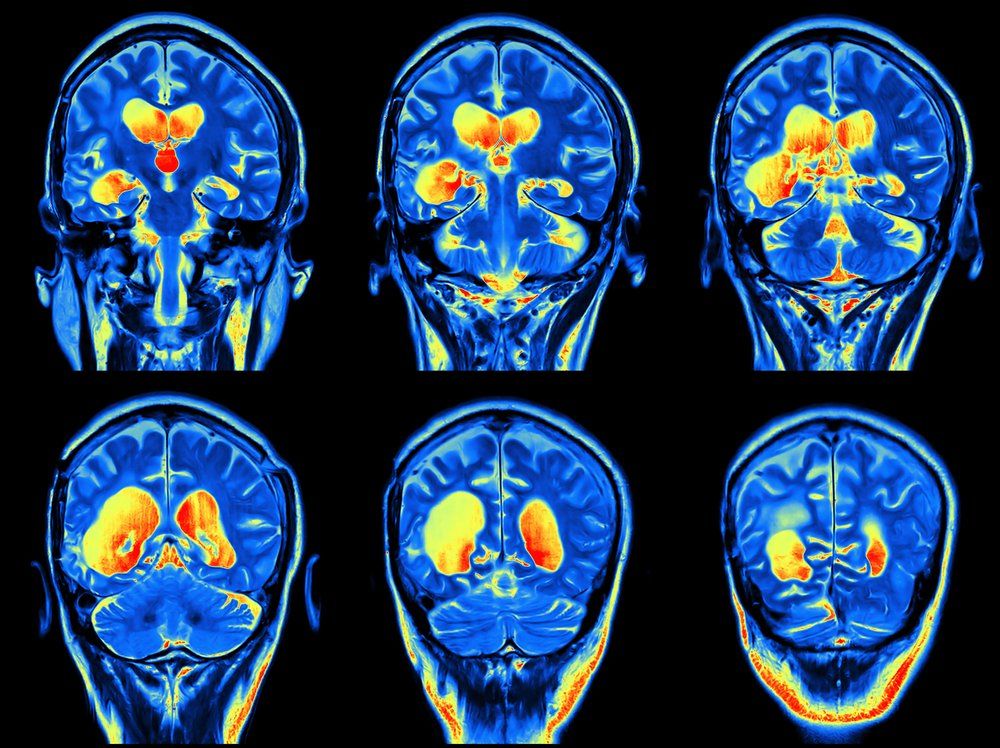
Plain-English Tips for X-Rays, MRI, and CT Nuances
Medical imaging is often treated as the “objective proof” in a case. X-rays, CT scans, and MRIs feel concrete—visual, measurable, and definitive. But imaging reports are rarely as straightforward as they appear on first read.
Imaging findings can be either overstated or misunderstood, leading to flawed assumptions about causation, severity, or timing of injury. Understanding what imaging can and cannot tell you is critical to case strategy.
Below are practical, plain-English tips to help attorneys interpret imaging reports more accurately and realistically.
Start With the Clinical Question the Study Was Ordered to Answer
Every imaging study is ordered for a reason. Was the provider looking for:
- acute trauma?
- fracture?
- stroke?
- infection?
- degenerative change?
Imaging findings must be interpreted in the context of the indication, not in isolation. A report that notes “degenerative changes” means something very different in a trauma workup than it does in a chronic pain evaluation.
If the clinical question doesn’t match the legal argument being made, that’s a red flag.
X-Rays: What They Show — and What They Miss
X-rays are excellent for:
- fractures
- dislocations
- gross alignment issues
- advanced degenerative changes
They are not good at identifying:
- soft tissue injuries
- early stress fractures
- ligament or tendon damage
- subtle spinal injuries
A “normal” X-ray does not rule out injury. It simply means nothing obvious showed up at that time using that modality.
Timing matters here. Some fractures or stress injuries are not visible on X-ray until days or weeks later.
CT Scans: Great Detail, Limited Story
CT imaging provides excellent anatomic detail and is often used in acute settings. However:
- CT scans are very sensitive, which can lead to incidental findings
- Not every abnormality is clinically significant
- CTs capture anatomy, not pain or function
When a CT report lists multiple findings, the key question is:
Which of these findings actually correlates with the patient’s symptoms at that time?
More findings do not automatically mean more injury.
MRI: Sensitive, But Not Always Specific
MRI is where many cases get complicated.
MRIs commonly identify:
- disc bulges
- disc protrusions
- annular tears
- degenerative changes
- signal abnormalities
Here’s the nuance attorneys need to know:
Many MRI findings are extremely common in asymptomatic people, especially as age increases.
An MRI abnormality does not equal causation by itself. The imaging must be correlated with:
- onset of symptoms
- mechanism of injury
- physical exam findings
- prior imaging, if available
Without that correlation, imaging alone can’t reliably establish liability or damages.
Words Matter: Radiology Language Is Careful for a Reason
Radiologists intentionally use cautious language. Terms like:
- “may represent”
- “could be consistent with”
- “cannot exclude”
- “clinical correlation recommended”
These phrases are not weaknesses—they are acknowledgments of limitations.
From a litigation standpoint, over-interpreting cautious language is risky. Imaging reports describe possibilities, not conclusions about fault, causation, or prognosis.
Compare Imaging Over Time
One of the most valuable tools in record review is comparison:
- prior vs. post-incident imaging
- serial imaging during hospitalization
- baseline studies vs. follow-up scans
Changes over time often matter more than a single report. Stability can suggest pre-existing conditions, while progression may support injury or complication—depending on context.
Imaging Does Not Replace Clinical Judgment
Imaging is only one piece of the puzzle. Courts, juries, and experts should evaluate imaging alongside:
- nursing documentation
- physician assessments
- therapy notes
- functional status
- patient complaints
When imaging findings conflict with the clinical picture, that discrepancy deserves scrutiny—not assumption.
Why Early Medical Review Matters
Misinterpreting imaging early can:
- inflate case value unrealistically
- weaken causation arguments
- create impeachment risk later
- lead to surprises during expert review
A Legal Nurse Consultant helps translate imaging findings into realistic, defensible medical context—before positions harden and resources are committed.
Final Thought
Imaging reports are powerful tools, but they are not self-explanatory. Understanding their limitations, nuances, and proper role in medical analysis helps attorneys build stronger, more credible cases grounded in medical reality—not hindsight.