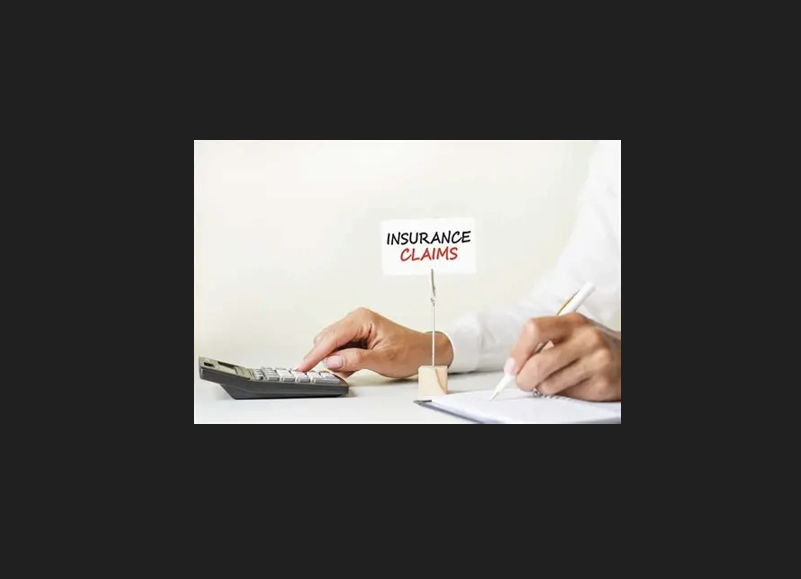
When it comes to managing medical claims, insurance companies face a unique challenge: balancing cost control with fair, accurate, and timely decisions. Medical records are often lengthy, complex, and filled with jargon that can be difficult for adjusters and investigators to interpret. That’s where a Certified Legal Nurse Consultant (CLNC) becomes an invaluable partner.
________________________________________
1. Clarifying Complex Medical Records
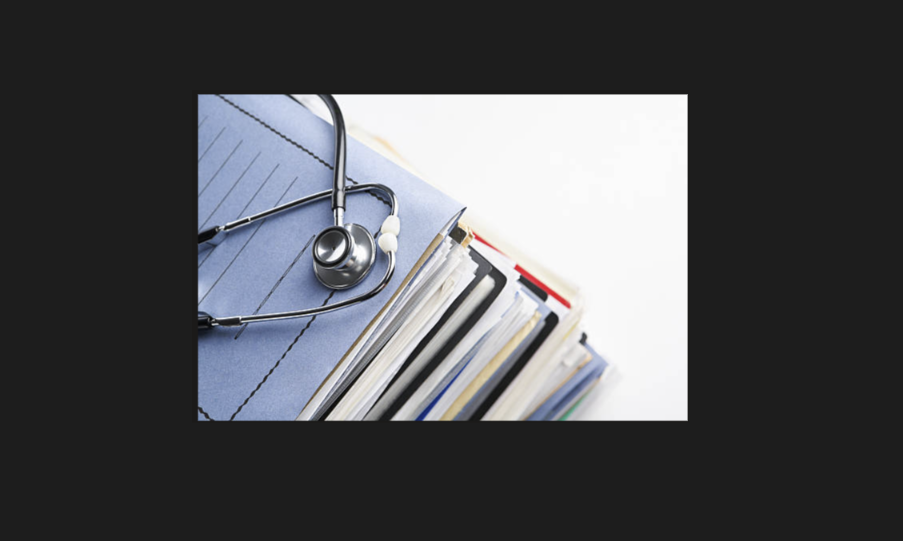
Insurance adjusters and claims managers often receive stacks of medical documentation for a single claim. A CLNC has the clinical background to:
• Translate medical terminology into plain language.
• Identify what’s relevant versus unnecessary noise.
• Spot missing documentation or inconsistencies that could affect the validity of a claim.
By clarifying the medical record, a CLNC saves insurers valuable time and ensures decisions are based on accurate information.
________________________________________
2. Supporting Workers’ Compensation Claims
Workers’ compensation claims require close review to confirm that reported injuries match the accident details. A CLNC can:
• Compare the mechanism of injury with medical findings.
• Identify red flags, such as pre-existing conditions or inconsistent histories.
• Create clear chronologies to show the progression of treatment and recovery.
This helps insurers separate legitimate claims from those that may be exaggerated or unrelated to workplace incidents.
________________________________________
3. Detecting Potential Fraud
Fraudulent or inflated claims cost insurance companies billions each year. CLNCs are trained to look for signs of symptom magnification, duplicate billing, or documentation that doesn’t line up with the claimant’s story. Working with investigative teams, a CLNC can strengthen fraud detection and provide medical context to support surveillance or background checks.
________________________________________
4. Creating Medical Chronologies and Summaries
Insurance companies often need quick access to key facts. A CLNC can organize hundreds of pages of records into:
• Medical chronologies (date-driven summaries of care).
• Narrative reports (explaining the “big picture”).
• Quick reference summaries (highlighting only what the insurer needs to know).
This streamlined approach allows adjusters and attorneys to make informed decisions faster.
________________________________________
5. Strengthening Litigation and Subrogation Cases
When a claim escalates into litigation, CLNCs provide attorneys and insurance defense teams with the clinical insight they need to build a strong case. They can:
• Assess whether care met standards of practice.
• Identify gaps that weaken the claimant’s credibility.
• Assist in preparing exhibits and testimony.
The result is stronger defense strategies and reduced liability for insurers.
________________________________________
6. Reducing Costs and Saving Time
Perhaps the greatest benefit of partnering with a CLNC is efficiency. By handling the medical side of claims review, CLNCs allow insurance professionals to focus on negotiation, case strategy, and customer relations. Faster resolution means lower costs and improved client satisfaction.
________________________________________
Final Thoughts
Insurance companies and TPAs don’t need to navigate medical claims alone. A Certified Legal Nurse Consultant offers the clinical expertise to cut through medical jargon, highlight red flags, and provide clear, concise reports. Whether it’s workers’ comp, personal injury, disability, or health insurance claims, a CLNC brings value by saving time, reducing costs, and strengthening claim decisions.
If your insurance company is seeking expert support on complex medical claims, consider partnering with a CLNC—it’s a strategic investment in accuracy, efficiency, and integrity.