When it comes to litigation involving medical issues, the discovery phase can quickly become one of the most time-consuming and expensive parts of the process. Thousands of pages of medical records, complex terminology, and competing narratives can make even the strongest case feel like a puzzle with missing pieces.
That’s where a Certified Legal Nurse Consultant (CLNC) steps in — bridging the gap between medicine and law to streamline discovery, clarify facts, and save both time and money for your firm and your clients.
Here’s how.
1. Organizing the Medical Record Maze
Medical records rarely arrive in chronological or logical order. They often come from multiple facilities, in varying formats, with duplicated or missing pages.
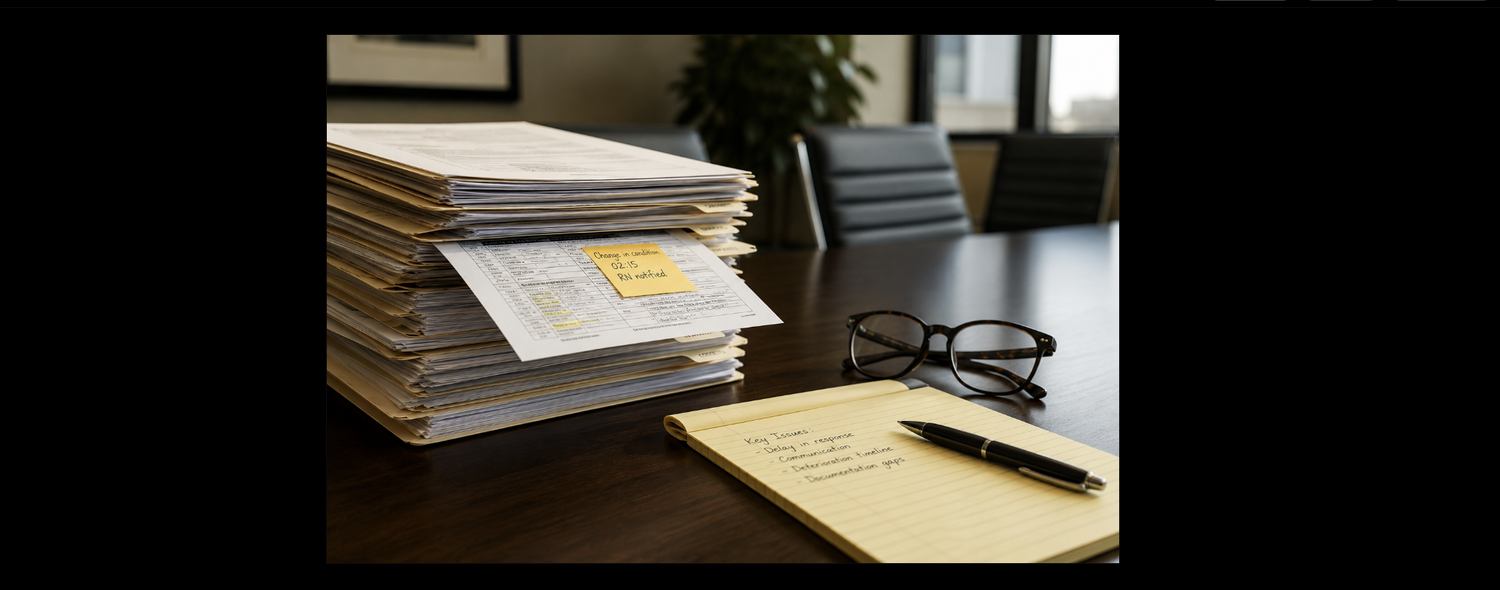
A CLNC reviews, organizes, and indexes records into a clear, chronological medical chronology that makes sense. This allows the legal team to see the sequence of events, identify key providers, and flag critical time points (such as symptom onset, delays in care, or changes in condition) — before spending billable hours sorting through disorganized documentation.
Result: Your team spends less time searching for facts and more time building arguments.
2. Translating Medical Jargon into Legal Language
Physician notes and nursing documentation are filled with shorthand, acronyms, and terminology that can be difficult to interpret without clinical experience.
A CLNC translates these medical details into plain, legally relevant language — making it easier for attorneys, paralegals, and experts to understand what really happened.
Whether it’s identifying inconsistencies in charting, recognizing signs of neglect, or interpreting diagnostic results, the nurse consultant ensures nothing gets lost in translation.
Result: Faster, clearer case understanding without paying for extra medical expert time early in the case.
3. Targeting the Right Experts (and Avoiding the Wrong Ones)
One of the most costly mistakes during discovery is engaging the wrong expert too soon — or overlooking the need for one altogether.
A CLNC helps identify which specialties are truly relevant based on the facts of the case. By analyzing the standard of care, causation, and key turning points in treatment, the CLNC ensures your firm invests in the right expert witnesses the first time — saving both time and expert fees.
Result: Reduced costs and better-prepared expert testimony.
4. Spotting Red Flags and Non-Meritorious Cases Early
Not every case that looks strong on the surface will hold up under medical scrutiny. A CLNC can review the records early to assess the strength of causation and standard of care, identifying weaknesses, gaps, or potential defenses before discovery costs escalate.
This early review helps attorneys avoid non-meritorious cases, focus resources on winnable ones, and better prepare for opposing counsel’s medical arguments.
Result: Smarter case selection and better allocation of firm resources.
5. Streamlining Discovery Requests and Depositions
Because a CLNC knows where to find the most relevant details within the chart, they can help craft targeted discovery questions and deposition outlines that go straight to the medical issues that matter.
No more fishing expeditions — just precise, medically informed discovery that saves time, reduces unnecessary document production, and strengthens your case strategy.
Result: Efficient discovery with sharper, more evidence-based questioning.
The Bottom Line
In litigation involving medicine, time truly is money — and accuracy is everything. Partnering with a Certified Legal Nurse Consultant allows your team to navigate complex medical evidence with confidence, reduce discovery costs, and strengthen your position from the very start.
At Smith Legal Nurse Consultants, we help attorneys translate complex medical records into clear, actionable insights that drive results — efficiently, accurately, and cost-effectively.