Auto collisions rarely come with tidy narratives. The property damage may look minor, symptoms can be delayed, and medical records often read like a stack of disconnected notes. That’s where a Certified Legal Nurse Consultant (CLNC) helps turn noise into a clear, defensible story.
Case Snapshot
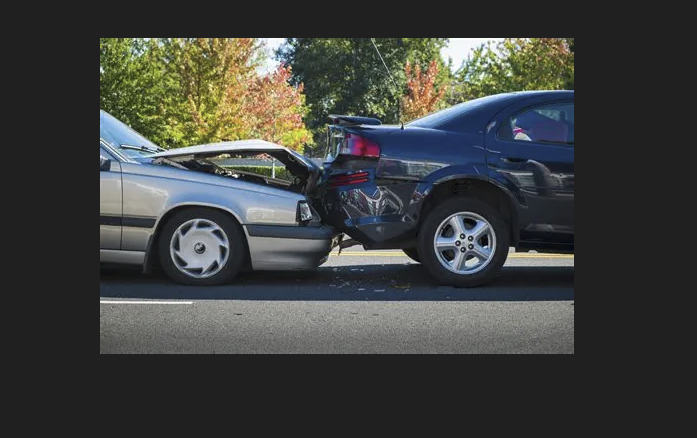
A driver was rear-ended at a stoplight. EMS noted neck pain and headache; the ER diagnosed “strain,” discharged with medication, and advised follow-up. Within days, dizziness, photophobia, and worsening neck pain emerged. Weeks later, MRI showed a cervical disc herniation. The insurer argued “low-speed impact,” “gap in treatment,” and “pre-existing degeneration.”
CLNC Analysis
1) Mechanism of Injury
- Matches crash description, seat restraint use, and head/neck kinematics to expected injury patterns (cervical soft tissue, possible concussion).
- Flags the “seatbelt sign” and early headache/vertigo as red flags consistent with mild TBI symptoms.
2) Timeline & Symptom Progression
- Builds a day-by-day chronology from EMS → ER → PCP → PT → imaging → specialist.
- Maps onset, persistence, and escalation of symptoms to counter the “delayed complaint” argument.
3) Documentation Gaps & Missed Opportunities
- Identifies absent concussion screening in the ER despite classic symptoms.
- Highlights inconsistent pain scales and incomplete neuro checks that weakened the initial record.
4) Imaging & Pre-Existing Conditions
- Distinguishes age-related cervical changes from acute findings (effacement, edema patterns, correlation with dermatomal pain).
- Connects new neurologic complaints to the level seen on MRI.
5) Treatment Reasonableness & Medical Specials
- Reviews CPT/ICD alignment, bundled/duplicate charges, and PT plan adherence.
- Calculates medical specials, noting where coding corrections reduced “padding” and strengthened credibility.
How This Helped the Legal Strategy
- Causation Narrative: Links crash mechanics to medical findings and functional loss.
- Deposition Targets: Prepares focused questions on ER triage, concussion screening, and PT progress measures.
- Damages Clarity: Presents a concise packet: chronology, provider index, imaging summary, and specials worksheet.
Takeaways for Attorneys
- Early symptoms that seem “minor” can be pivotal—capture them in a tight chronology.
- Don’t let “degenerative” findings end the conversation; context and correlation matter.
- Billing accuracy improves leverage—clean specials are harder to dispute.
When an automobile wreck turns into a documentation maze, a CLNC translates clinical details into a clear, evidence-based story—so you can focus on advocacy and results.