
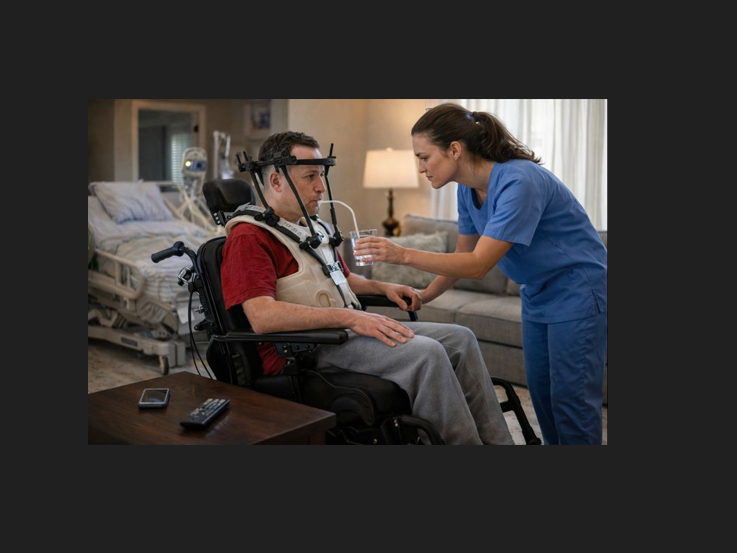
Caregiving is one of the most consistently undervalued components of damages in personal injury and catastrophic injury cases. Yet, for many injured individuals, caregiver support represents the highest long-term cost over a lifetime.
Too often, caregiving is dismissed as “family help” or assumed to be a temporary arrangement. In reality, caregiving frequently becomes a permanent, escalating need—especially in cases involving brain injury, spinal cord injury, orthopedic trauma, or progressive functional decline.
Caregiving Is Not Just “Help”
Caregiving includes far more than companionship. It encompasses:
- Assistance with bathing, dressing, toileting, and transfers
- Medication management and cueing
- Mobility support and fall prevention
- Meal preparation and feeding assistance
- Supervision for safety, cognition, or behavior
- Transportation and coordination of care
When family members provide these services, the cost is often hidden—but still real.
Why Caregiving Costs Are Missed in Settlements
Caregiving is frequently overlooked because:
- Family members are currently providing care at no charge
- The injured person appears “stable” at the time of settlement
- The long-term progression of fatigue, aging, or caregiver burnout isn’t considered
- There is no structured analysis tying functional limitations to care hours
Without a formal assessment, settlements often fail to account for decades of required assistance.
The Financial Impact Over Time
Even modest care needs add up quickly. A few hours of daily assistance can translate into hundreds of thousands—or millions—of dollars over a lifetime. As caregivers age, experience burnout, or become unavailable, paid care becomes inevitable.
Failing to address caregiving costs upfront shifts the burden to:
- The injured individual
- Family members
- Public assistance programs
Why This Matters Before Settlement
Once a case settles, future caregiving costs cannot be revisited. Accurately identifying caregiving needs before settlement protects the client, strengthens negotiation leverage, and reduces the risk of undervaluation.
The Bottom Line
Caregiving is not a side issue—it is a core damage component. Attorneys who understand and quantify caregiving needs early are better positioned to secure settlements that truly reflect the long-term reality of their client’s life.
Ignoring caregiving costs doesn’t save money—it creates future financial hardship.